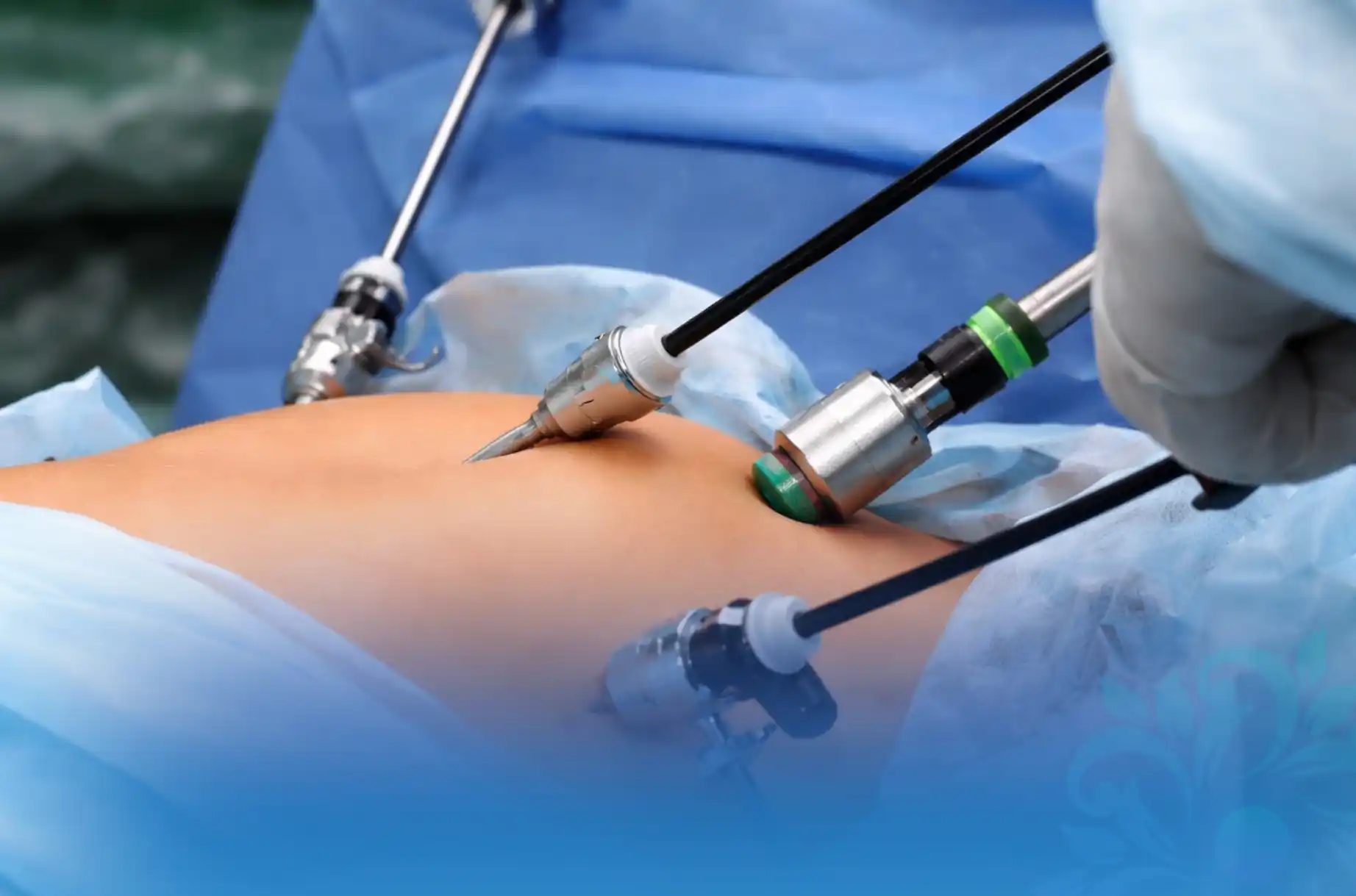
Overview
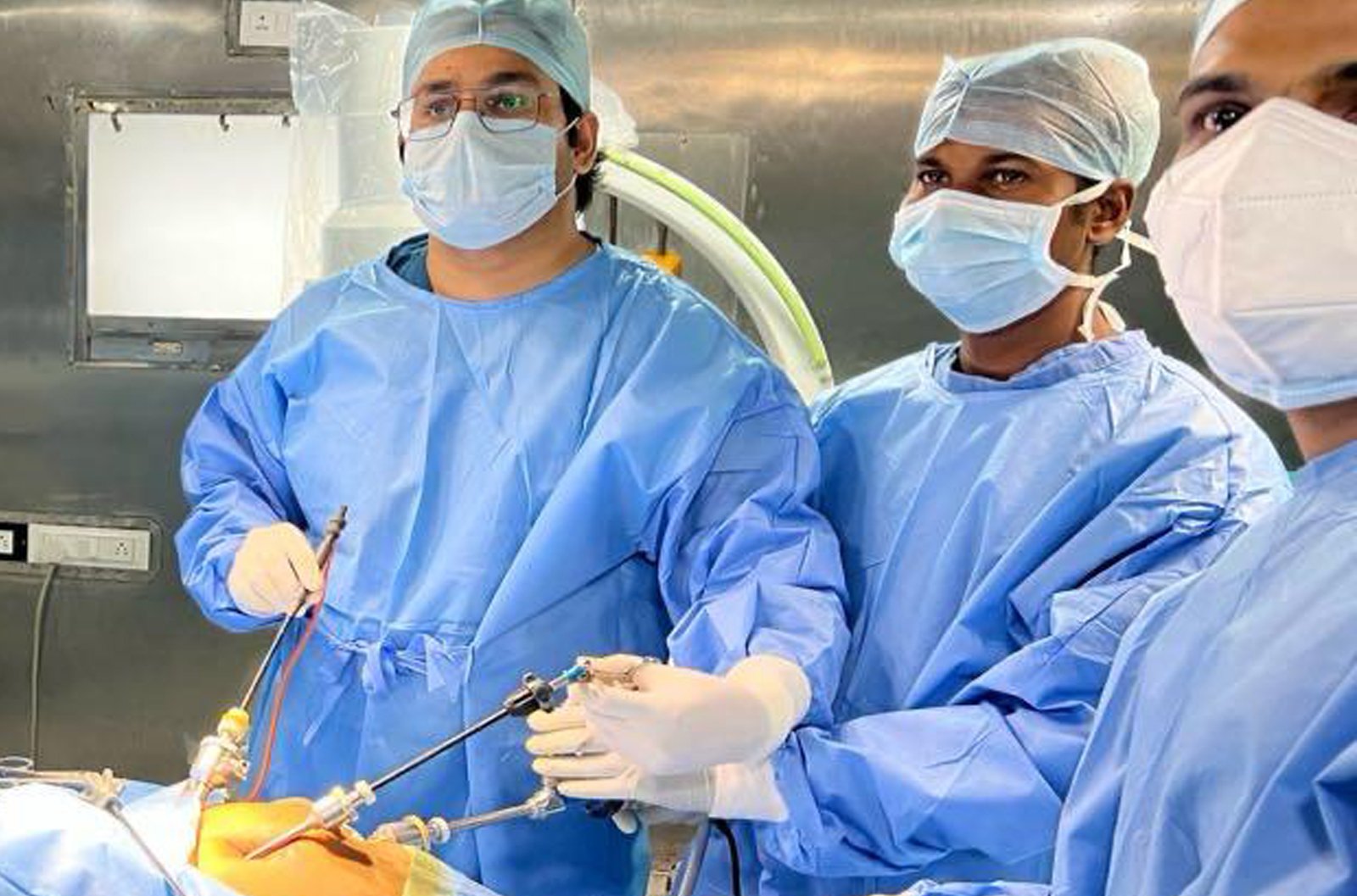
Dr. Seraj Ahmed is one of the best laparoscopic surgeons in Kolkata, specially known for his effective treatment procedures. He offers advanced laparoscopic surgical care with a focus on precision, safety, and faster recovery for patients. With the help of this surgery Dr. Ahmed performed a range of minimally invasive procedures that help to reduce pain, shorten hospital stays while allowing the patients to normal lives much sooner.
Dr. Seraj Ahmed is a specialist in advanced laparoscopic surgery in Howrah. Mainly laparoscopic surgery used to treat various types of abdominal conditions such as gallbladder problems, hernia and appendicitis. This procedure also referred by doctor when they need have a clear view of abdominal organs to identify the cause of certain symptoms. According to doctors compared to conventional surgeries, this procedure is much more safe and comfortable for patients.
Patients who choose laparoscopic surgery often experience smaller scars, less post-operative pain, reduced blood loss, and a lower risk of infection. In most cases, patients are able to walk within a few hours after surgery and are discharged from the hospital much earlier than with traditional procedures.
Treatments Under Laparoscopic Procedures

Laparoscopic surgery, also known as minimally invasive surgery, is used for a wide range of procedures across different medical specialties. These include:
- Gastrointestinal Surgeries: Gallbladder removal (cholecystectomy), appendix removal (appendectomy), hernia repair, anti-reflux surgery, bariatric (weight loss) surgery, and intestinal procedures for tumors or obstruction.
- Gynecological Surgeries: Ovarian cyst removal, ectopic pregnancy treatment, hysterectomy (uterus removal), endometriosis treatment, and tubal ligation.
- Urological Surgeries: Kidney removal (nephrectomy), prostate surgery, adrenal gland surgery, and selected kidney stone procedures.
- Liver & Pancreatic Surgeries: Liver resection, selected pancreatic surgeries, and spleen removal (splenectomy).
- Diagnostic Laparoscopy: Used to identify causes of unexplained abdominal pain, infertility, or other internal conditions without open surgery.
- Thoracoscopic Procedures (VATS): Certain chest-related procedures such as lung biopsy and treatment of pleural conditions.
Gallbladder Surgery

With the help of laparoscopic gallbladder surgery, medically known as laparoscopic cholecystectomy, is performed through small incisions in the abdomen. A tiny camera is inserted through one incision, allowing the surgeon to clearly see the gallbladder on a monitor. Specialized surgical instruments are then used to safely remove the gallbladder.
This minimally invasive approach offers several advantages compared to traditional open gallbladder surgery. Patients typically experience less pain after the procedure, minimal scarring, and a much faster recovery time. Most patients are able to resume normal activities within a few days.
Dr. Seraj Ahmed, very well known for laparoscopic gallbladder surgery in Howrah, carefully evaluates each patient before surgery and ensures that the procedure is performed safely and effectively. Proper diagnosis and timely treatment can help prevent complications related to gallstones and gallbladder infections.
Hernia Repair
A hernia occurs when an internal organ or tissue pushes through a weak area in the surrounding muscle or connective tissue. Hernias commonly develop in the abdominal wall and may appear as a noticeable bulge accompanied by discomfort or pain, especially during activities such as lifting, coughing, or bending.
Laparoscopic hernia repair is a modern surgical technique used to treat hernias with minimal discomfort. During the procedure, small incisions are made in the abdomen, and a laparoscope is used to guide the surgeon. The weakened area is then repaired, often with the help of a surgical mesh that reinforces the abdominal wall and prevents the hernia from recurring.
One of the major benefits of laparoscopic hernia repair is that it causes less tissue damage compared to open surgery. Patients generally experience less pain, quicker healing, and a shorter recovery period. In many cases, individuals are able to return to their regular activities much sooner. Dr. Seraj Ahmed provides comprehensive care for patients suffering from different types of hernias. Through accurate diagnosis and advanced laparoscopic techniques, he ensures that patients receive safe and effective treatment for long-term relief.
Diagnostic Laparoscopy
Sometimes patients experience abdominal pain or symptoms that cannot be clearly diagnosed through routine tests or imaging. In such cases, diagnostic laparoscopy can be an extremely helpful procedure. It allows the doctor to directly examine the organs inside the abdomen and pelvis using a small camera.
During diagnostic laparoscopy, a small incision is made in the abdomen, and the laparoscope is inserted to provide a clear view of internal structures such as the liver, stomach, intestines, appendix, and reproductive organs. The images are displayed on a monitor, allowing the surgeon to carefully inspect the organs and identify any abnormalities.
This procedure is often used to investigate conditions such as unexplained abdominal pain, infections, tumors, or internal injuries. Because it is minimally invasive, diagnostic laparoscopy typically involves a shorter recovery time and less discomfort compared to traditional exploratory surgery.
Dr. Seraj Ahmed uses diagnostic laparoscopy as an important tool to accurately identify abdominal conditions and plan the most appropriate treatment for his patients. Early and accurate diagnosis can significantly improve treatment outcomes and help prevent further complications.
Appendix Surgery
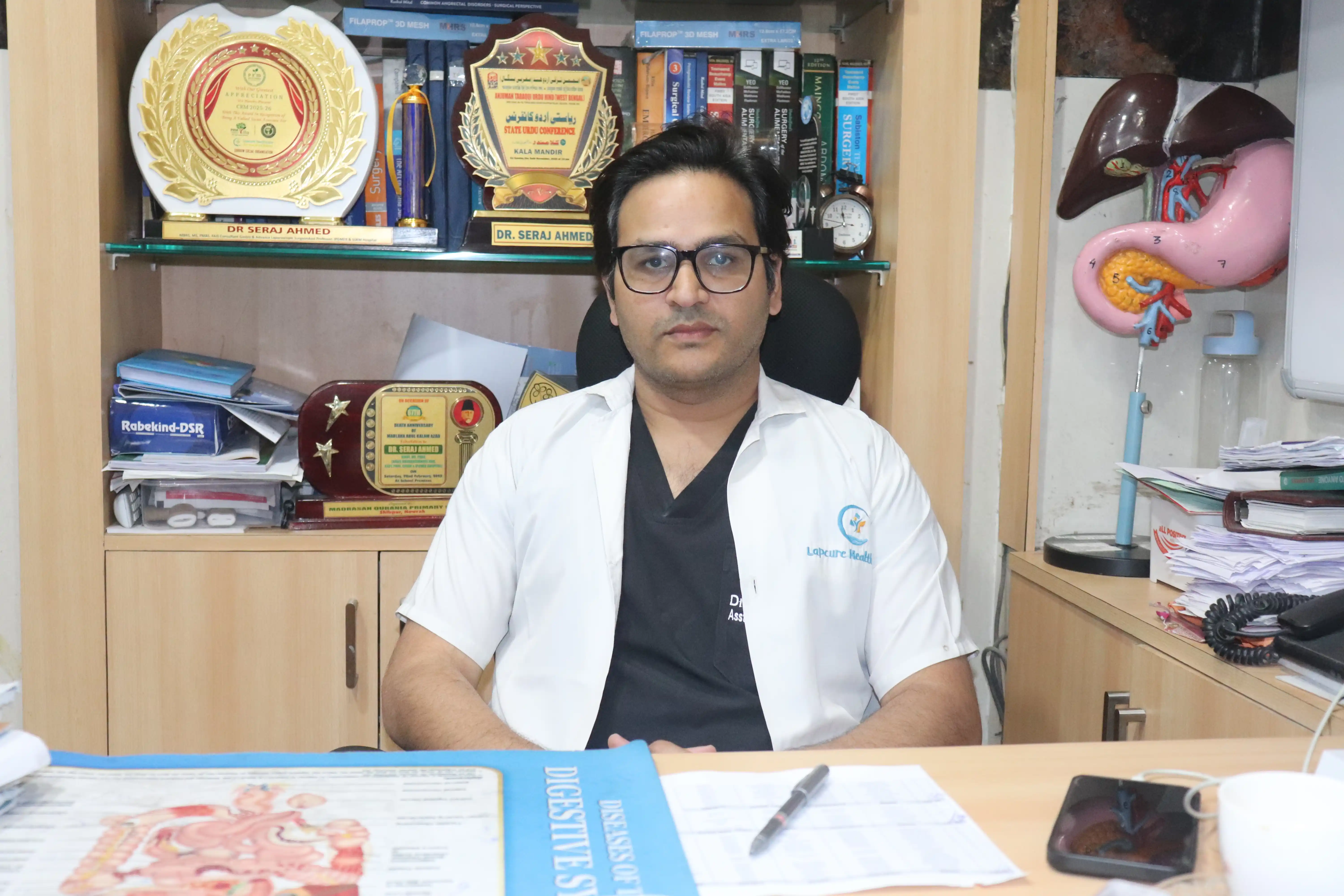
Appendix surgery, also known as appendectomy, is performed to remove the appendix when it becomes inflamed or infected. This condition, called appendicitis, is a medical emergency that requires immediate treatment to prevent rupture and serious complications.
Laparoscopic appendectomy is the preferred surgical approach for treating appendicitis in many cases. The procedure involves making a few small incisions in the abdomen through which the laparoscope and surgical instruments are inserted. The inflamed appendix is then carefully removed.
Compared to traditional open surgery, laparoscopic appendix removal offers several benefits. Patients usually experience less pain, minimal scarring, and a faster recovery. Many patients are able to leave the hospital within a day or two and return to their daily routine shortly afterward.
Dr. Seraj Ahmed highly known as appendix operation doctor in Howrah, performs laparoscopic appendix surgery with a strong focus on patient safety and comfort. Prompt surgical intervention ensures that the infection is treated effectively and prevents the risk of complications.
FAQs
What is robotic surgery
Robotic surgery is an advanced minimally invasive technique where surgeons use a robotic system to perform procedures with enhanced precision, control, and visualization.
Is robotic surgery safe?
Yes, robotic surgery is considered very safe when performed by trained specialists. It often results in fewer complications compared to traditional surgery.
What are the benefits of robotic surgery?
It offers smaller incisions, less pain, minimal blood loss, reduced risk of infection, faster recovery, and shorter hospital stays.
How long does it take to recover after robotic surgery?
Recovery is usually quicker than open surgery. Most patients return to normal activities within a few days to a couple of weeks, depending on the procedure.
Is robotic surgery better than laparoscopic surgery?
Robotic surgery provides better precision, flexibility, and 3D visualization, making it more effective for complex procedures, though both techniques are minimally invasive and beneficial.
better than laparoscopic surgery?
3D visualization, making it more effective for complex procedures, though both techniques are minimally invasive and beneficial.